Cute Dog Corgi: A Craft Fair-Ready Embroidery Design
First Impression: Sweet, Approachable, and Instantly Recognizable
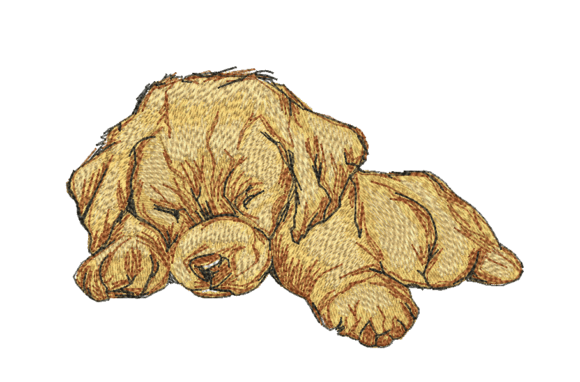
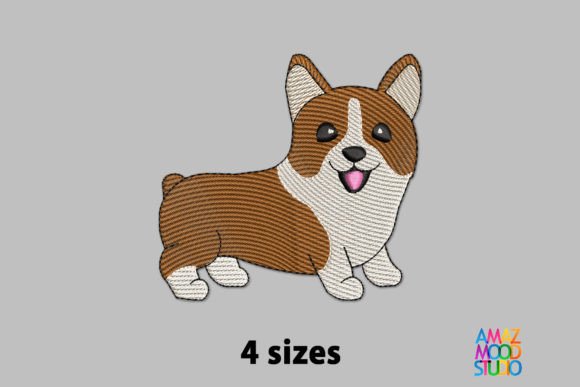
From the moment I saw Cute Dog Corgi, I knew it had craft fair magnetism. It’s not overly detailed or fussy — it lands squarely in the “sweetly expressive” zone: friendly eyes, perky ears, a compact silhouette, and that signature corgi rear that reads as playful rather than cartoonish. It feels modern-cute with a gentle farmhouse whisper — not too rustic, not too sleek, just right for handmade markets where shoppers seek warmth and personality. Customers don’t pause to decode it; they smile, point, and say, “Oh, my dog looks just like that!” That immediate emotional hook is gold at a weekend booth.
Where Cute Dog Corgi Shines on Real Products
This machine embroidery design performs beautifully across high-visibility craft fair staples:
- Tote bag design: Centered on a natural canvas or linen tote, Cute Dog Corgi reads clearly from six feet away — bold enough to catch eyes in a crowded aisle, but soft enough to feel artisanal, not mass-produced.
- Apron embroidery: Placed above the pocket or centered on the bib, it adds charm without overwhelming function. Its compact proportions suit aprons perfectly — no awkward stretching or distortion.
- Tea towel embroidery: Works especially well on medium-weight cotton or linen tea towels. The design holds clarity even after repeated washing, provided stitch density is balanced (more on that below).
- Embroidered patch: Clean lines and minimal interior detail make Cute Dog Corgi an ideal candidate for iron-on or sew-on patches — great for Etsy sellers bundling pet-themed accessories or small shop products like denim jackets and backpacks.
- Pillow covers & fabric pouches: At 3–4 inches wide, it anchors these smaller items without dominating. On pillow covers, it invites tactile engagement — customers love running their fingers over the raised texture of well-executed corgi fur and ear curves.
- Caps & market bags: Here’s where caution enters: curved cap surfaces require precise digitizing and stabilizer control. While Cute Dog Corgi is simple in shape, tiny facial features may blur if stitched too small or on low-stability fabric. Stick to 3.5" max on caps — and always test first.
What Makes It Sell — and What Requires Care
Cute Dog Corgi succeeds because it’s legible, lovable, and versatile. It photographs cleanly for Etsy listings and printable mockups — no busy background needed. Its silhouette reads instantly in thumbnail size, boosting click-through on digital embroidery file listings. For batch production, it’s highly repeatable: consistent spacing, balanced thread colors, and moderate stitch density mean fewer thread breaks and faster hooping.
But “cute” doesn’t mean carefree. As an embroidery designer preparing for a handmade market, I flag these practical considerations:
- Dense stitch areas: The corgi’s body outline and ear contours may pack tighter stitches — watch for puckering on lightweight or stretchy fabrics. Use cutaway stabilizer for knits, tear-away for stable wovens.
- Tiny details: Those little eyes and nose are charming — but shrink below 2.25" and they risk becoming indistinct blobs. Avoid using Cute Dog Corgi smaller than 2.5" on dark fabric or textured towels unless you’ve verified contrast and clarity in person.
- Fabric texture matters: On heavy terry cloth or looped kitchen towels, reduce stitch density slightly or add a topping stabilizer to prevent thread sinking.
- Hoop size & placement: Confirm the embroidery file’s required hoop size before cutting fabric. A mismatch can force awkward repositioning mid-production — deadly during craft fair prep.
How It Elevates Your Booth, Brand, and Buyer Connection
In a sea of handmade product displays, Cute Dog Corgi delivers visual relief and emotional resonance. It strengthens booth cohesion — imagine a curated grouping: embroidered tea towels, matching corgi-adorned pouches, and a sample apron hanging nearby. That consistency signals professionalism and brand intention, not random craftiness.
It also raises perceived value. A well-stitched Cute Dog Corgi on a linen pillow cover tells buyers, “This was made with care, not rushed.” That perception supports higher price points — especially important for Etsy sellers and boutique makers competing against print-on-demand.
Most importantly, it sparks conversation. At my last craft fair, a customer spent five minutes telling me about her rescue corgi while pointing at a tote bag featuring this exact design. That’s engagement you can’t buy — and it happens because Cute Dog Corgi feels personal, not generic.
Designer Notes You Can’t Skip Before Production
Before cutting your first yard of fabric or uploading to your Etsy shop, do this:
- Test the embroidery file on scrap fabric matching your final product — same weight, weave, and color.
- Check thread contrast: light threads on dark fabric need extra coverage; dark on light needs clean tension to avoid shadowing.
- Review spacing between elements — especially between ears and head — to ensure no floating stitches or gaps.
- Confirm hoop size compatibility with your machine and intended product (e.g., cap frames vs. standard hoops).
- Inspect stitch density visually — look for overlapping satin columns or excessive underlay that could stiffen delicate fabrics.
- Use the right stabilizer: cutaway for stretch, tear-away for stable wovens, and topping for napped or textured surfaces.
- Create at least one real mockup — not just a digital preview. See how light hits the stitches in person.
- Compare fabric colors side-by-side: cream, oat, charcoal, and navy all change how the corgi reads. Some palettes amplify sweetness; others lean more rustic or modern.
- Verify commercial licensing: since this is a machine embroidery design intended for finished product resale, confirm the license permits commercial embroidery and small shop product use.
Cute Dog Corgi isn’t just another Dogs category download — it’s a thoughtful, market-tested design asset. When executed with attention to fabric, stabilizer, and scale, it becomes more than decoration. It becomes a reason customers stop, connect, and carry home a piece of joy — stitched, sincere, and unmistakably handmade.